




One of the most underused growth opportunities in chiropractic clinics is reactivating patients who have already visited but stopped returning. Most clinics focus heavily on new patient acquisition while ignoring this group entirely, even though they already represent warm, familiar leads.
In most cases, bringing a past patient back is significantly easier and more cost-effective than acquiring a completely new one. These individuals already know your clinic, trust your service to some degree, and only require the right trigger or communication to re-engage.
With increased competition in 2026 healthcare markets, patient attention is limited and inconsistent. This makes structured reactivation systems a critical part of any clinic that wants predictable and stable growth.
Below is a practical breakdown of how chiropractic clinics can systematically bring back lost patients and turn inactive records into active revenue.
1. Identify Why Patients Stop Returning
Before attempting to reactivate patients, it is important to understand the common reasons behind drop-offs. Most patients do not stop intentionally; the gap usually happens due to practical or psychological reasons.
- Symptom improvement after initial sessions
- Lack of reminders or follow-up communication
- Financial or timing constraints
- Weak engagement after initial treatment phase
Understanding these patterns helps shape more effective reactivation messaging.
2. Organize Inactive Patients into Segments
Not all inactive patients behave the same way. Segmenting them allows more targeted and relevant communication strategies.
- Recent inactivity (1–3 months)
- Mid-term inactivity (3–6 months)
- Long-term inactivity (6+ months)
Each category requires a different tone, urgency level, and offer structure.
3. Use Personalized Email Re-Engagement
Email remains one of the most effective tools for reactivating patients when used with personalization. Generic messages are ignored, but relevant communication gets attention.
- Friendly health check-in messages
- Reference to past treatment experience
- Invitation to resume care or evaluation
Personal tone increases response rates and helps rebuild trust.
4. Send Simple Health Check-In Messages
Many patients stop returning simply because no one checks on their condition. A simple message can reopen communication naturally.
- Ask about current pain or mobility status
- Show genuine concern for recovery progress
- Offer a simple follow-up appointment
This approach feels supportive rather than promotional, which increases engagement.
5. Provide a Clear Reason to Return
Inactive patients often need a trigger to take action. Without a reason, they tend to postpone their return indefinitely.
- Complimentary check-up session
- Discounted follow-up visit
- Updated health or posture assessment
A clear value-based reason reduces hesitation and increases rebooking rates.
6. Use SMS and WhatsApp for Fast Reconnection
Not all patients respond to email, which makes direct messaging platforms essential for reactivation efforts.
- Short, clear, and friendly messages
- Direct link to booking or contact
- Non-intrusive tone focused on care
These channels typically produce faster response rates compared to email alone.
7. Simplify the Return Booking Process
Even motivated patients may not return if the booking process is complicated or time-consuming.
- Direct appointment booking links
- Easy online scheduling system
- Quick phone or WhatsApp booking options
Reducing friction is one of the fastest ways to improve reactivation results.
8. Use Personal Follow-Up Calls
Phone calls remain one of the most effective ways to reconnect with long-term inactive patients because they add a human layer of communication.
- Ask about current health condition
- Remind them of past improvements
- Encourage a simple reassessment visit
Direct human interaction significantly increases trust and conversion rates.
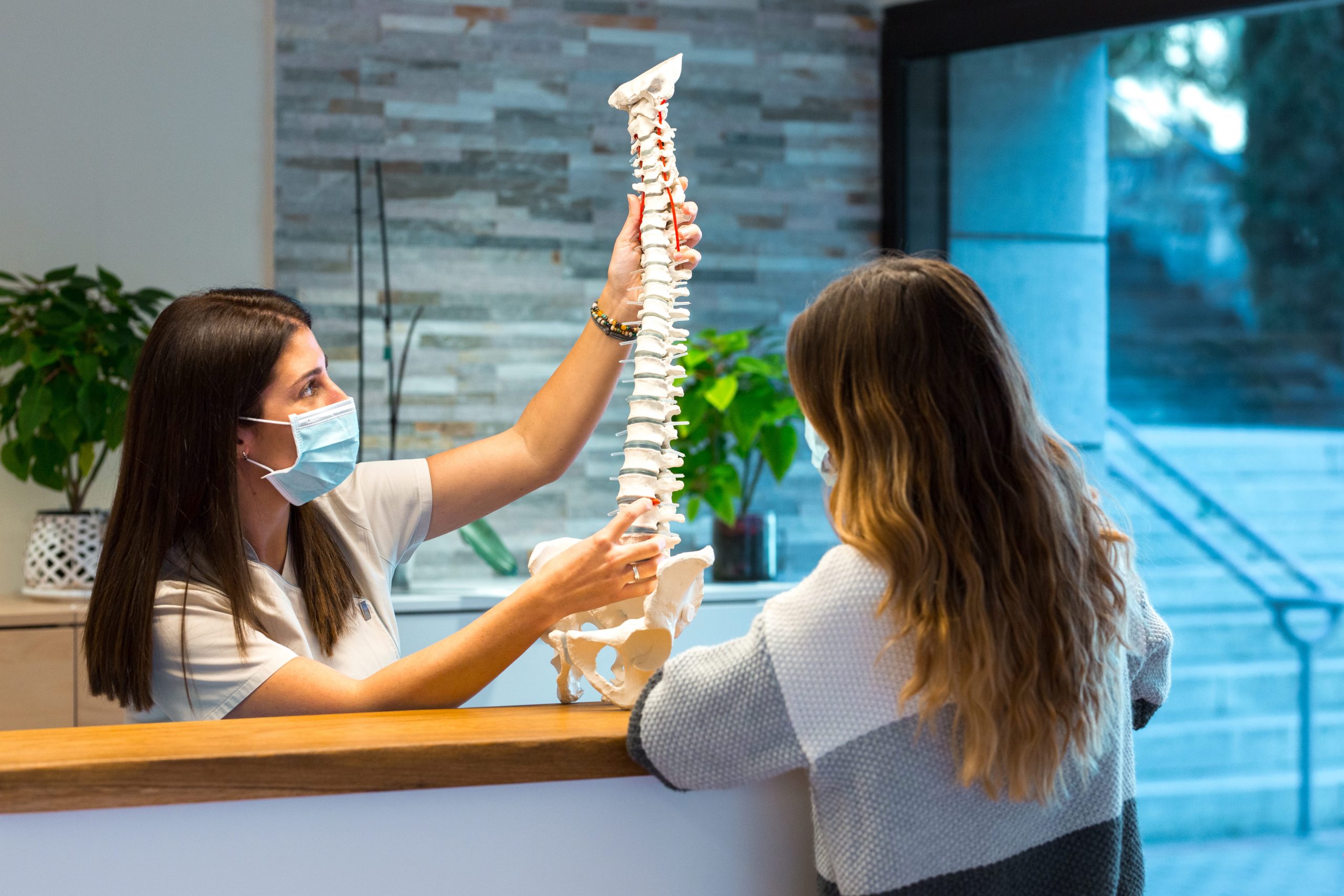
9. Educate Patients on the Importance of Continued Care
Some patients stop returning because they underestimate the importance of maintenance care. Education helps correct this gap.
- Risk of pain returning without maintenance
- Importance of spinal alignment care
- Long-term benefits of consistent treatment
Informed patients are more likely to resume care proactively.
10. Run Seasonal Reactivation Campaigns
Seasonal messaging provides a natural and non-intrusive way to reconnect with inactive patients.
- Cold weather back pain reminders
- Work posture correction campaigns
- Holiday stress and mobility check-ins
Seasonal relevance increases attention and engagement rates.
11. Automate Reactivation Workflows
Automation ensures that no inactive patient is forgotten, even if manual follow-ups are inconsistent.
- 30-day inactivity reminders
- 60-day follow-up engagement messages
- 90-day reactivation offers
Automation creates consistency and ensures continuous patient outreach without additional workload.
12. Measure Reactivation Performance
Tracking results is essential for improving long-term reactivation success.
- Percentage of patients reactivated
- Response rates from campaigns
- Bookings generated from inactive lists
Data-driven adjustments help refine messaging and improve conversion over time.
Final Thoughts
Reactivating lost patients is one of the most efficient growth strategies available to chiropractic clinics. These individuals already represent warm opportunities that require far less effort compared to acquiring new leads.
By combining segmentation, personalized communication, automation, and education, clinics can successfully recover a significant portion of inactive patients and convert them back into active care.
A structured reactivation system transforms forgotten patients into a consistent revenue source and strengthens long-term clinic stability.